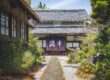

Asakusa is one of Tokyo’s most popular districts for Japanese and international travelers alike. It’s packed with attractions, from the famous Senso-ji Temple with its iconic Kaminarimon Gate, to street food for those who enjoy “strolling gourmet” as we say in Japan (eating while walking in Japan is an oft-cited taboo, but plenty of us do it along festive promenades like these). A short walk away is Japan’s top kitchenware district, Kappabashi Shopping Street, which is home to Kamata Knives–a store we featured in Sake Today 39. And yes, the Asakusa area offers the opportunity to enjoy really good sake, too.
WASAKE Sake Experience opened in the vibrant neighborhood in November of last year. This isn’t just a tasting bar; as the name suggests, it’s an enjoyable, leisurely educational experience that seeks to give guests a greater appreciation of Japan’s national beverage. WASAKE selects some of the best sake from all over Japan for tastings, purchasing, and interactive seminars. The interior eschews traditional trappings for a more refined, modern-Japanese feel, as if to suggest that sake has its place in contemporary settings as well.

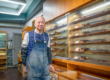
As I enter, there’s a wall-mounted map of Japan displaying bottles of sake available for tasting. With just a glance you’ll notice that staff have curated a selection that is well balanced from Japan’s north to the south. Depending on how you take your liquid journey, you’ll discover how flavor changes from region to region.
Along one wall are tasting dispensers–not uncommon contraptions in sake-centric towns of Japan–where visitors can enjoy a 45ml serving in an ochoko (traditional cup) for a reasonable 600 yen. Buying multiple tokens at once for the dispensers unlocks some better value and, of course, it encourages you to sample and compare. Which you must. Once is not an experience; it’s your gateway to the experience.
Those new to sake might be overwhelmed by the variety or the sheer unknown of what they’re trying. Fear not for this is what you’re here for! There are tasting charts on display showing flavor profiles and the multilingual staff (fluent in English and Chinese) can provide further explanation and guidance if necessary. The jaded experts among you (wink) can carry on; there’s still plenty to like about the shop and its wide–sometimes exclusive–selection.

In addition to self-serve tastings, there’s a staffed counter in the back where visitors can enjoy premium sake flights. Those tokens mentioned earlier can be traded here as well. During my visit, a Dassai Sake Flight (including Dassai 23, 39, and 45) was available for four coins. Yes, this is an almost obvious flight for overseas visitors, but if the goal here is to lure future fans to the world of sake, it’s hard to go wrong with this. Guests can also try more unique menu items like doburoku (a kind of ‘primitive’, unfiltered sake), sake lees gelato, and amazake (sweet, non- or low-alcohol sake). Altogether, over fifty varieties of sake are available for tasting. That’s plenty enough for neophytes, while their more enlightened chaperones may find more than a few to smile about, including some rarities. The curation is careful and it amply showcases the versatility of sake.
WASAKE is operated by Toyosu Shachu Co., Ltd. Because a Japanese company without a motto would not be a Japanese company, theirs is: “Sharing Japan’s best flavors with the world.” If we’re talking liquid flavors, then their motto rings true with their WASAKE venture, but as we learn below, there is also a food component. We’ll get to that in a moment. The WA of the name derives from that most famous of Japanese characters that everyone knows means “harmony”. As their mission statement further notes, “We hope to share Japan’s sake culture and the spirit of ‘Wa’ with friends from around the world.” It was indeed a friendly place where visitors were having a good time, and where you may even make friends–how many of us in the sake world have struck up a friendship sipping sake at a bar somewhere?
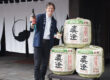
Co-founder and CEO Hidenao Makiuchi is certified as an International Sake Sommelier. He states that he further hopes to share Japanese food culture through WASAKE, albeit sometimes with a twist. The shop’s menu includes creative offerings like a tasting comparison of rice balls made from sake rice versus table rice, coffee brewed with water used in sake production, and adventurous Japanese snacks such as oyster miso, shuto (salted and fermented bonito guts), and marinated firefly squid. Makiuchi, who is fluent in English, is often on hand to assist staff and mingle with guests. He’s affable, worldly, and enjoys a good laugh. Definitely take advantage of his company and knowledge.
With a reservation, there are other ‘experiences’ guests can enjoy. They include pairing Japanese sweets with sake, collaborative events with sake breweries (often featuring rare and/or exclusive selections), and guided dives into Japanese food culture centered around sake. There are three programs in particular that WASAKE highlights as a part of its core experience. One is the “Guided Tasting” which is a casual journey through ten varieties from across Japan. It’s recommended for beginners who simply need to “come thirsty and curious.” The “Workshop and Tasting” is a little more involved. It’s a workshop with a sommelier that goes into history, brewing processes, and regional styles before diving in. It’s for those that want education along with the liquid pleasures. Finally, there’s “Sushi and Sake” if you ever wanted to try your hand–or your fingers, rather–at making sushi. A local instructor will guide you through how to make temaki (hand rolls) using fresh ingredients. Oh yes, then you get to eat your work together with ten types of sake.

Another component of WASAKE is its merchandise. Visitors can purchase sake bottles customized with their own favorite photo, or try the Sake Gacha machine (capsule toy dispensers), where for 980 yen you might get gold-flaked sake (party time!) or a bottle worth up to 2,500 yen. There is also an array of sake ware available, like kiriko glasses and ceramic guinomi (cups). This isn’t cheap tourist kitsch, either. Check out the canned selection of sake as well if you’d like some liquid convenience to go, especially if you’re taking a long train ride later. All in all, you might be planning to visit several spots around Asakusa only to find yourself immersed in WASAKE for hours. You wouldn’t be the first.
Makiuchi is wisely considering expanding to more locations and even going overseas, but his current priority is establishing the Asakusa store as a go-to spot for inbound tourists to experience Japanese sake and culture. But as I said, even the more cultured drinkers out there who don’t deem themselves tourists, per se, will likely enjoy themselves here–as I did. If you’re looking for a sake experience that’s a little different and more immersive than just drinking, WASAKE is definitely worth a visit.
by Mayura Sugawara