Japan has enormous untapped tourism potential. This might seem surprising to some given that tourism to Japan has been surging in recent years, making many attractions in Japan some of the most visited in the world. Just this past October, Japan saw 3.31 million visitors, setting a new monthly record for the country and marking a whopping 31.6% increase from October numbers of the previous year. This isn’t simply a pandemic-era recovery or the result of a relatively weak yen, as observers frequently suggest. Those may be factors but it’s more a reflection of the world discovering and sharing through both technology and word of mouth how pleasant travel in Japan is.
This tourism boom has its fair share of detractors, as tourism always does. Many residents of Kyoto, for example, are expressing fatigue, though traditional Kyoto folks have always been somewhat aloof when it comes to outsiders, including Japanese from other parts of Japan. And with the opening of new attractions, like the Nintendo Museum, it’s not as if the city is dissuading people from coming. Most towns and cities in Japan would fall over backwards for the kinds of ‘problems’ Kyoto is facing. Meanwhile, as you may have read in the news, there is a convenience store near Mount Fuji that has erected visual barriers to try to discourage hoards of people from showing up to take advantage of the photograph-friendly vista there. Hilariously, Japanese have been a sizable part of those crowds. Worst of all, Japan is seeing a particularly ugly offshoot of YouTubers who show up simply to be obnoxious for the sake of entertainment. Japan must seem ripe for exploitation because of its relative safety and the civility of most Japanese (yes, there are Japanese ‘nuisance’ streamers, too, so perhaps it’s a problem of humanity and technology, not tourism).
Overall, though, tourism in Japan is going smoothly and the numbers attest to that. Why shouldn’t it? The cheap yen was already noted above, as well as Japan’s safety record. While its people–at least those not from Osaka–aren’t as friendly as, say, folks from America, Brazil, or Italy (such popular characterizations are not wrong, are they?), the Japanese are certainly very accommodating and polite. The food is awesome and often quite affordable. Conveniences abound. Its arts are ancient and flourishing; its modern iterations, like anime, are magnets to youth everywhere. Setting aside its overuse of concrete in many places, most of Japan is rather attractive, from its architecture to its landscaping and geography. The Japanese aren’t ‘great’ at English (are you at Japanese?), but they try their best, and there’s ample English-language support, especially when it comes to tourism.
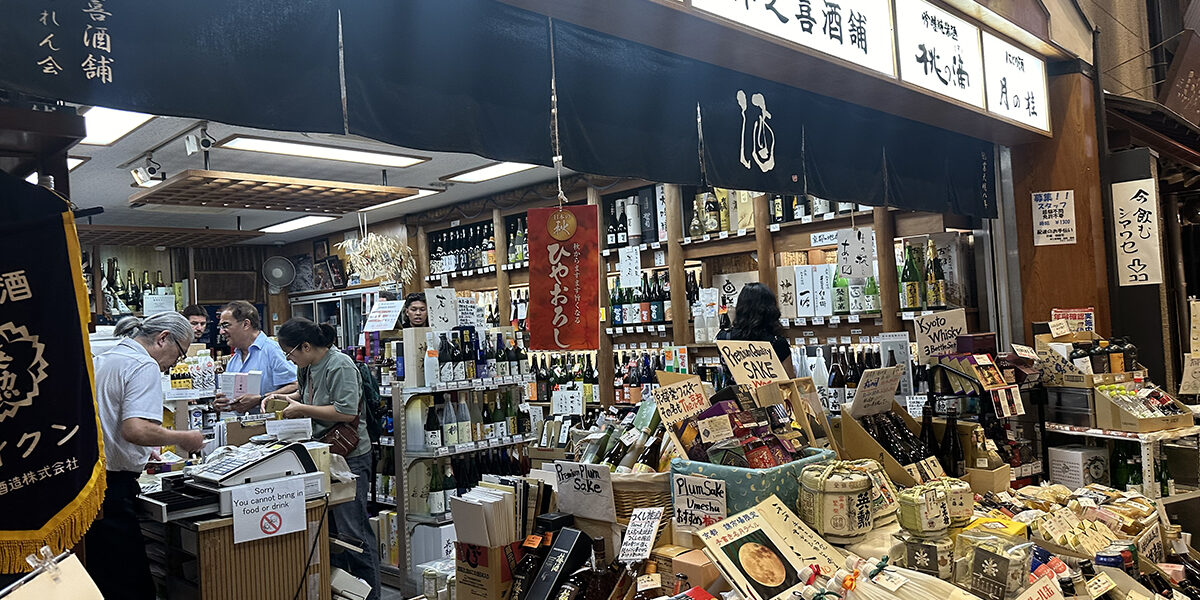
The lack of English-language support in some areas and with some activities is certainly a barrier for some. Tourists may not be interested (who wants to take a tour in a language they don’t know?). But often in Japan, it’s the hosts that are timid about trying to engage without a common language. Sake brewery visits and tours are a really good example. Of the ones that do exist, most are only in Japanese. That’s changing, however, and as such niche tours prove successful, similar offerings will expand and tourism numbers will only climb more.
Tourism is not only about numbers. There’s also the quality of the experience and whether it’s a good fit for one’s interests. We think Japan is only going to get better at offering highly tailored experiences for travelers. This is where the enormous untapped potential lies. When it comes to refining something, even if that’s an activity or program, few if any do it better than the Japanese. This is at the heart of their modern cultural history. Now imagine when that cultural genius is applied to creating incredible sake experiences. Well, you won’t have to imagine for much longer. Are you ready?